

Introduction
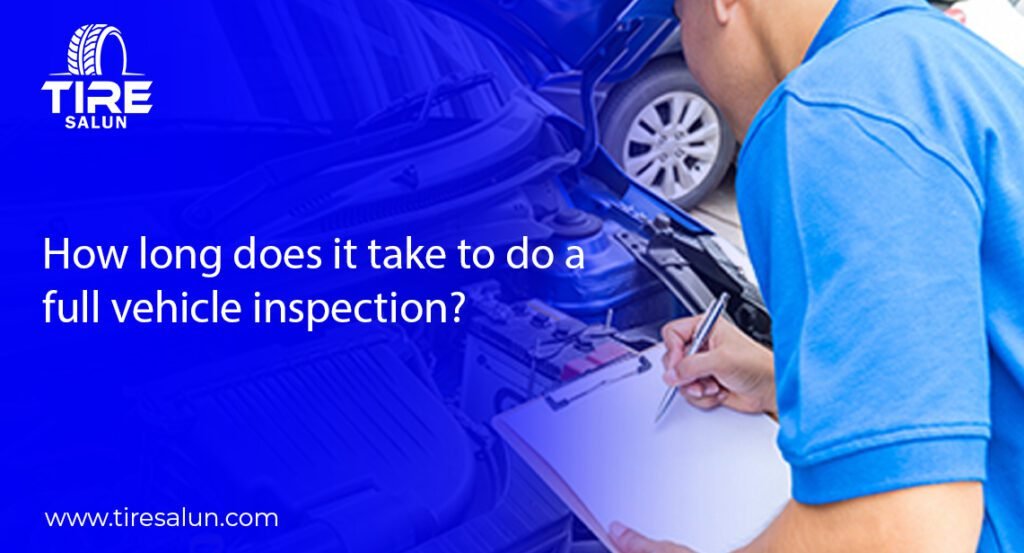
Getting your vehicle inspected and having the proper title isn’t just paperwork it’s about safety, legality, and peace of mind. But many car owners wonder, “How long does it actually take to complete a full vehicle inspection?” Whether you’re buying a new car, renewing your registration, or prepping a used car for sale, knowing the process can save you time and stress.
To schedule an inspection easily, you can use the Vehicle Inspection Service.
What is a Vehicle Inspection?
A vehicle inspection is a detailed check-up that ensures a car is roadworthy and compliant with state or national regulations. Inspections evaluate safety features, emissions, and mechanical components, preventing accidents and costly repairs down the line. Most regions require inspections to register a vehicle or transfer ownership.
For help or questions, visit the Contact Page.
Types of Vehicle Inspections
1. Safety Inspections
Focuses on brakes, tires, lights, steering, and other critical safety components. If your brakes need attention, check the Brake Pad Service.
2. Emissions Inspections
Checks that your vehicle isn’t polluting beyond legal limits. Often mandatory for certain regions.
3. Comprehensive Inspections
A complete assessment covering safety, emissions, and mechanical systems. Usually required for older or pre-owned vehicles. Book via the Vehicle Inspection Service.
Why Vehicle Inspections Are Necessary
Vehicle inspections aren’t just bureaucratic they protect you, your passengers, and other road users. Benefits include:
- Safety assurance: Identifies potential hazards before they cause accidents.
- Legal compliance: Meets state or country regulations for registration.
- Insurance validity: Many insurance policies require inspections for coverage.
- Resale value: A verified inspection can boost buyer confidence and pricing.
Components Checked During a Full Vehicle Inspection
Exterior Inspection
- Tires and tread depth (repair or replace using Tyre Services)
- Headlights, brake lights, and indicators
- Mirrors and windshield
- Body damage
Interior Inspection
- Seat belts and airbags
- Dashboard warning lights
- Horn functionality
- Doors and windows
Mechanical Inspection
- Engine and transmission
- Brakes and suspension (service available via Brake Pad Service)
- Steering system
- Exhaust system
Emission Testing
Measures harmful gas output to comply with environmental standards.
The Role of Vehicle Title in Inspection
The vehicle title is proof of ownership. Its status impacts inspections in several ways:
- Clean titles generally pass inspections faster.
- Salvage or rebuilt titles require extra checks.
- A valid title is often required to complete registration after inspection.
For assistance, visit the Contact Page.
Factors Affecting Vehicle Inspection Duration
- Type of inspection: Basic safety checks are quicker than full inspections.
- Vehicle condition: Older or poorly maintained cars may take longer.
- Inspection center efficiency: Busy centers may extend waiting times.
Step-by-Step Vehicle Inspection Process
- Scheduling an Appointment – Book online or via phone using the Vehicle Inspection Service.
- Documentation Needed – Bring your title, registration, and personal ID.
- Physical Inspection – Safety and mechanical systems are checked.
- Test Drive – Some centers require a brief drive to check brakes and suspension.
- Final Report – You receive a pass/fail certificate with recommended repairs if needed.
Average Time for a Full Vehicle Inspection
On average, a full inspection takes 30 minutes to 2 hours. Express inspections may take less than 30 minutes, while older or high-mileage vehicles may take longer due to additional checks.
Common Delays in Vehicle Inspection
- Missing paperwork – Registration or title issues can pause inspections.
- Vehicle malfunctions – Problems discovered during inspection may require extra testing.
- High demand – Busy centers can create longer waiting periods.
Tips to Speed Up the Vehicle Inspection
- Prepare all documents beforehand.
- Pre-check your vehicle: lights, brakes, tires, and fluids (use Tyre Services if needed).
- Choose a reputable center with positive reviews and efficient service like the Vehicle Inspection Service.
Cost of Vehicle Inspection
Inspection costs vary depending on type and location:
- Average cost: $30–$100
- Factors influencing cost: vehicle type, age, and additional services
- Some insurance policies offer discounts for up-to-date inspections.
After the Vehicle Inspection
- Review the report: Note any issues or repairs needed.
- Address necessary repairs promptly to avoid failing re-inspection.
- Update vehicle title or registration if required.
For help, visit the Contact Page.
Vehicle Inspection for Used Car Buyers
For used cars, a full inspection is critical:
- Detects hidden problems or unsafe conditions.
- Reveals title history, including salvage or rebuilt status.
- Provides leverage to negotiate price or request repairs before purchase.
Book using the Vehicle Inspection Service.
Conclusion
Vehicle inspections may seem time-consuming, but they’re essential for safety, legality, and peace of mind. By understanding the process, preparing your documents, and choosing a reliable inspection center, you can minimize delays and ensure your vehicle stays roadworthy. A full inspection isn’t just a requirement it’s a smart investment in your car’s longevity and your safety.
You can also choose quality tyres from Goodyear Tyres.
FAQs
- How often do vehicles need inspections?
Typically once a year, though some regions require it every two years or during registration renewal. - Can I do a vehicle inspection without a title?
Usually, a title is required, but some regions allow temporary permits to complete inspections. - What happens if my vehicle fails inspection?
You’ll need to repair the issues and return for re-inspection to pass. - Is a full vehicle inspection necessary for new cars?
New cars often skip comprehensive inspections, but safety or emissions checks may still be mandatory.


